
What Is a DNS Server?
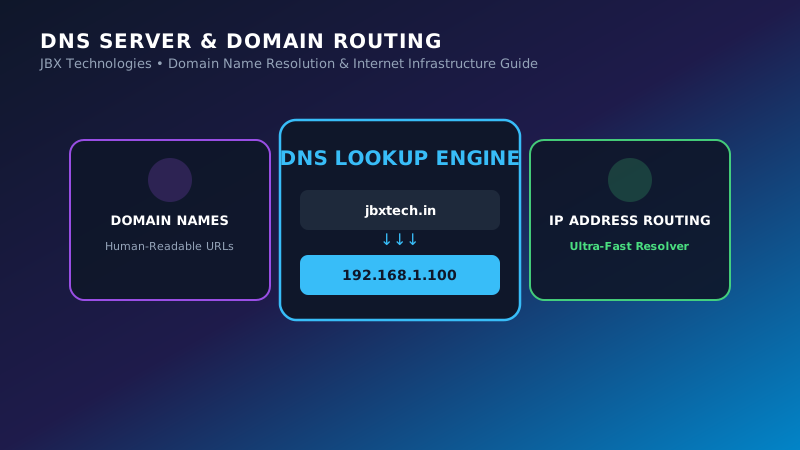
Table of Contents
What Is a DNS Server?
A DNS (Domain Name System) server translates human-readable website addresses, like jbxtechnologies.com, into the numeric IP addresses computers actually use to locate each other on the internet. Without DNS, you'd need to remember a string of numbers for every website you want to visit instead of a simple name.
How the Lookup Process Works
When you type a web address, your device first checks its local cache for a recently looked-up answer. If it's not cached, the request travels through a series of DNS servers — a recursive resolver, root servers, and authoritative servers for that specific domain — until it finds the IP address associated with that domain name, then returns it so your browser can connect directly to the website's server. This whole process typically happens in a fraction of a second.
Common DNS Issues
DNS propagation delay happens when you change a domain's DNS settings — the update can take anywhere from minutes to 48 hours to fully spread across DNS servers worldwide, meaning some visitors may briefly see the old server while others see the new one. Misconfigured DNS records (like an incorrect A record or MX record) can cause a website to become unreachable or emails to stop delivering. Using a reliable DNS provider and double-checking records after any change helps avoid downtime — something businesses migrating hosting providers or launching a new domain need to plan around carefully.