
What Is a Pixel?
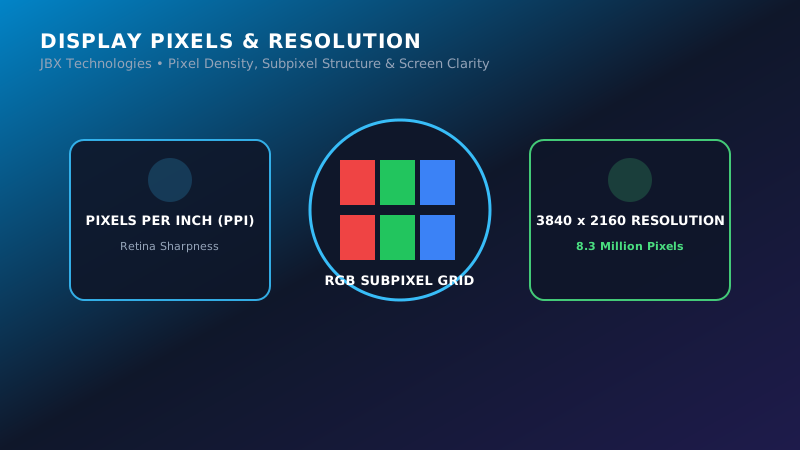
Table of Contents
What Is a Pixel?
A pixel (short for "picture element") is the smallest single point of colour on a digital screen. Every image, video or interface you see on a phone, TV or monitor is made up of thousands or millions of these tiny coloured dots arranged in a grid, each one lighting up in a specific colour to build the overall picture — much like individual tiles form a mosaic.
Resolution and Pixel Density Explained
Resolution describes how many pixels make up the screen, written as width × height — for example, Full HD is 1920×1080 pixels, while 4K is 3840×2160. More pixels generally mean a sharper, more detailed image, especially on larger screens. Pixel density, measured in PPI (pixels per inch), tells you how tightly packed those pixels are on a specific screen size. A phone screen with high PPI looks crisp even up close, while the same resolution stretched across a large TV viewed from a distance can look perfectly sharp despite lower PPI.
Why It Matters When Buying a Screen
When comparing devices, resolution alone doesn't tell the whole story — screen size and viewing distance matter just as much. A 4K resolution on a small phone screen offers diminishing visible benefit, while the same resolution on a large monitor viewed up close makes a noticeable difference in text sharpness and image detail. For office monitors, CCTV displays and digital signage, matching resolution and PPI to the actual use case avoids overspending on specs you won't visibly benefit from.