
What Is a Kernel?
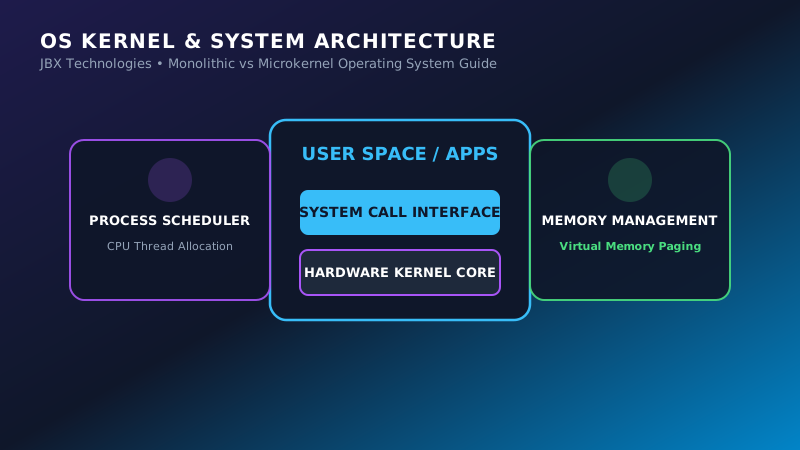
Table of Contents
What Is a Kernel?
The kernel is the core part of an operating system that acts as a bridge between software and hardware. Every time an application needs to read a file, use memory, or communicate over the network, it's the kernel that manages the request and coordinates with the physical hardware to carry it out — while keeping different programs from interfering with each other.
Monolithic vs Microkernels
A monolithic kernel, used by Linux and most traditional operating systems, runs most core services — device drivers, file systems, memory management — in a single large block of code with direct access to hardware, which is efficient but means a bug in one part can potentially affect the whole system. A microkernel keeps only the most essential functions in the core and runs other services separately, improving stability and security at some cost to performance, since components communicate more indirectly.
Why the Kernel Matters for Stability
Because the kernel manages access to memory, processors and hardware for every running program, a poorly written driver or kernel-level bug can cause a "kernel panic" or "blue screen" — a full system crash rather than just one app failing. This is why kernel updates and driver quality matter so much for server reliability: businesses running critical infrastructure typically test kernel and driver updates carefully before deploying them, since a stable kernel is the foundation everything else depends on.